For Complex, Multi-Phase Cases

Pre-Prosthetic Planning

The comprehensive diagnostic workup, treatment sequencing, and specialist coordination that happen before major restorative work begins — led by a Board-Certified Prosthodontist.

When the Case Has More Than One Thing Wrong

Planning Before Any of It Becomes Permanent

If you've been told your case is too complex for a single visit, if you've had treatment plans from different offices that didn't quite fit together, or if multiple things are wrong at once — pre-prosthetic planning is the phase that gets the whole picture on paper before any irreversible step happens.

Many patients reach this point after years of one-tooth-at-a-time treatment, after a treatment plan that didn't fully address the bite, or after being told that several specialists need to be involved — without anyone owning the overall sequence. What this means: when the case is large enough that the order of operations matters, the planning phase is no longer optional. It becomes the most important step.

For straightforward single-tooth work, this level of planning is overkill. For complex full-mouth, multi-arch, or specialist-coordinated cases — full-mouth reconstruction, mixed fixed-and-removable plans, all-on-4 with extractions, failing older reconstructions — it's the difference between a result that holds together and one that doesn't.

The Scanora 3D cone beam CT machine used for pre-prosthetic planning at the St. George Center for Specialized Dentistry
Cone beam CT (CBCT) imaging — the foundation of every pre-prosthetic plan. The first look at bone, joint position, and root anatomy in 3D detail.

Real Multi-Phase Cases

Before & After — When the Planning Pays Off

Three cases from the practice's smile gallery that required coordinated multi-phase planning — extractions sequenced with implants, mixed fixed-and-removable plans, and combination restorative work. Click any pair to view full-size.

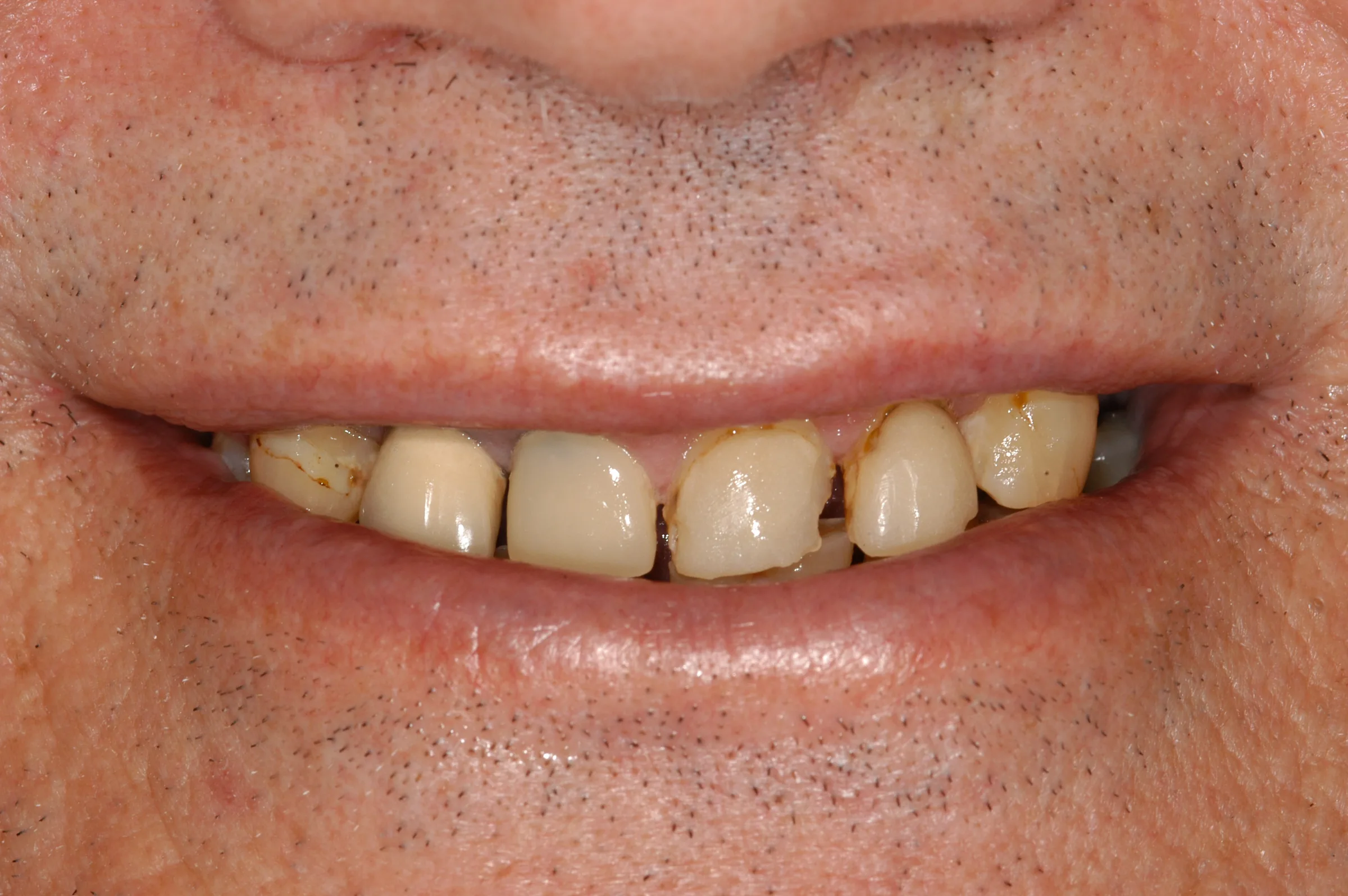
Before — All-on-4 / Full Arch
Before
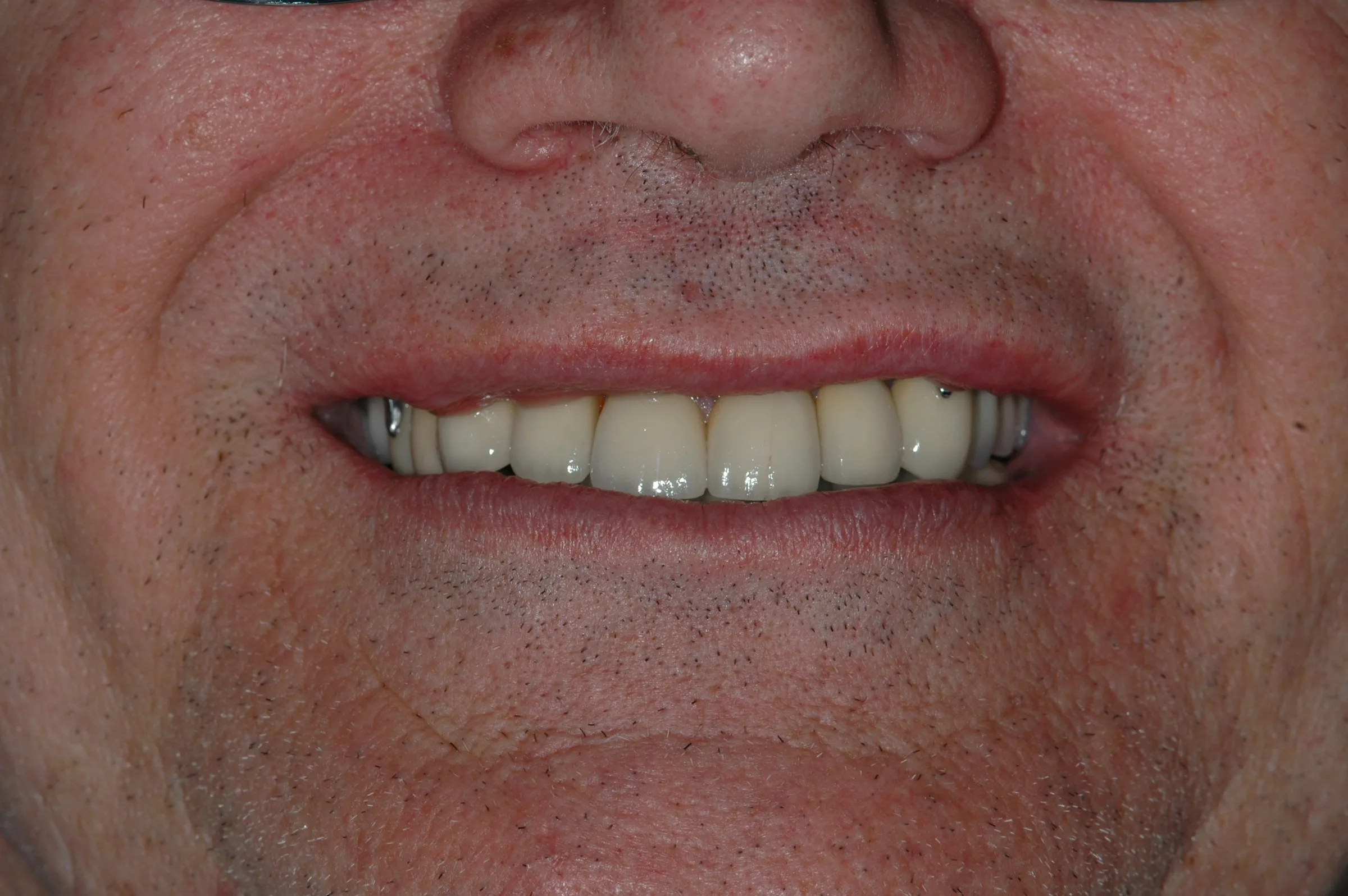
After — All-on-4 / Full Arch
After

Multi-Phase: Extractions → Implants → Final

Patient had multiple teeth with poor prognosis and compromised function. Treated in coordinated phases — extractions, implant placement, and final fixed prosthesis. All-on-4 fixed teeth supported by dental implants.
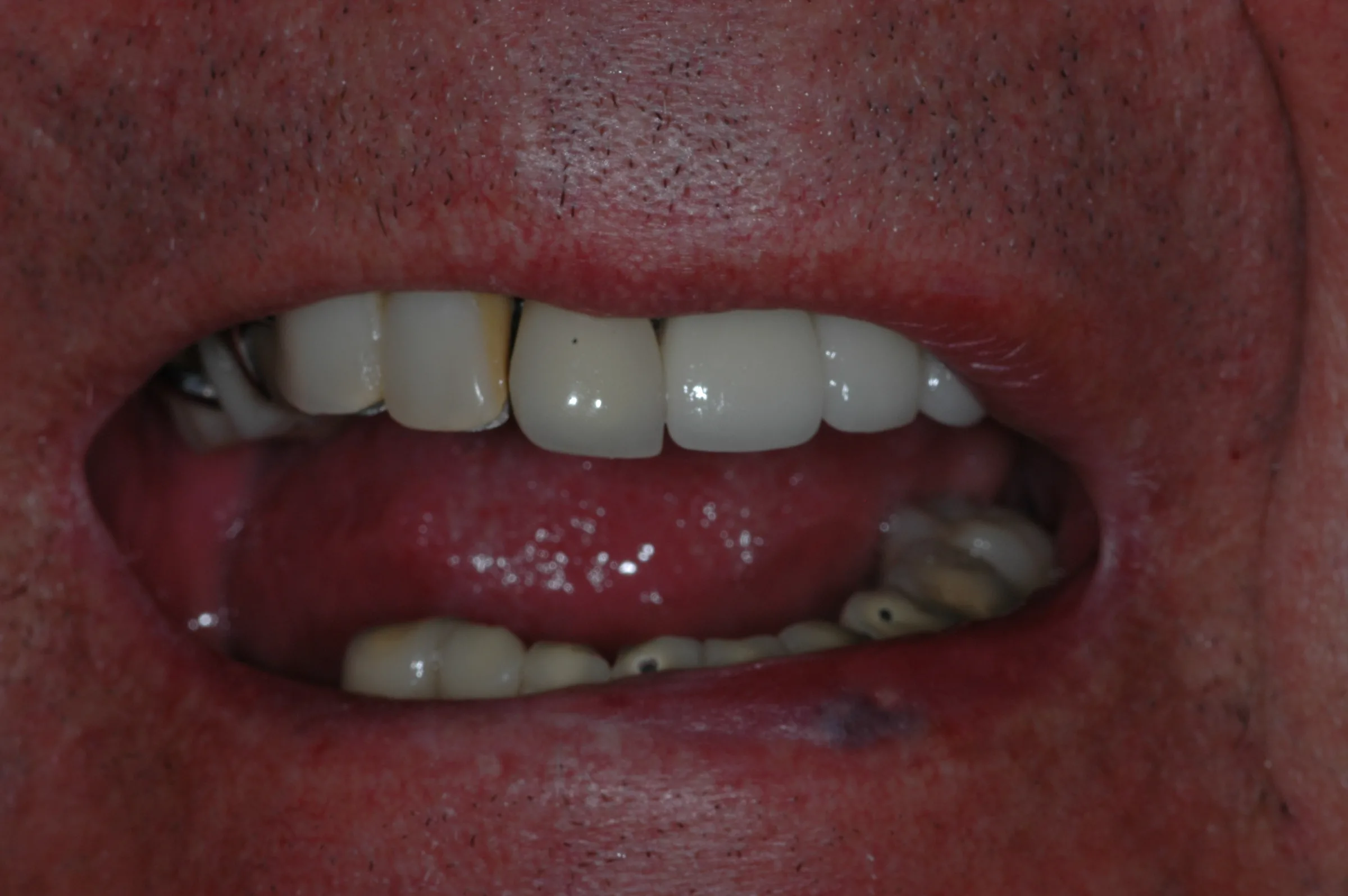
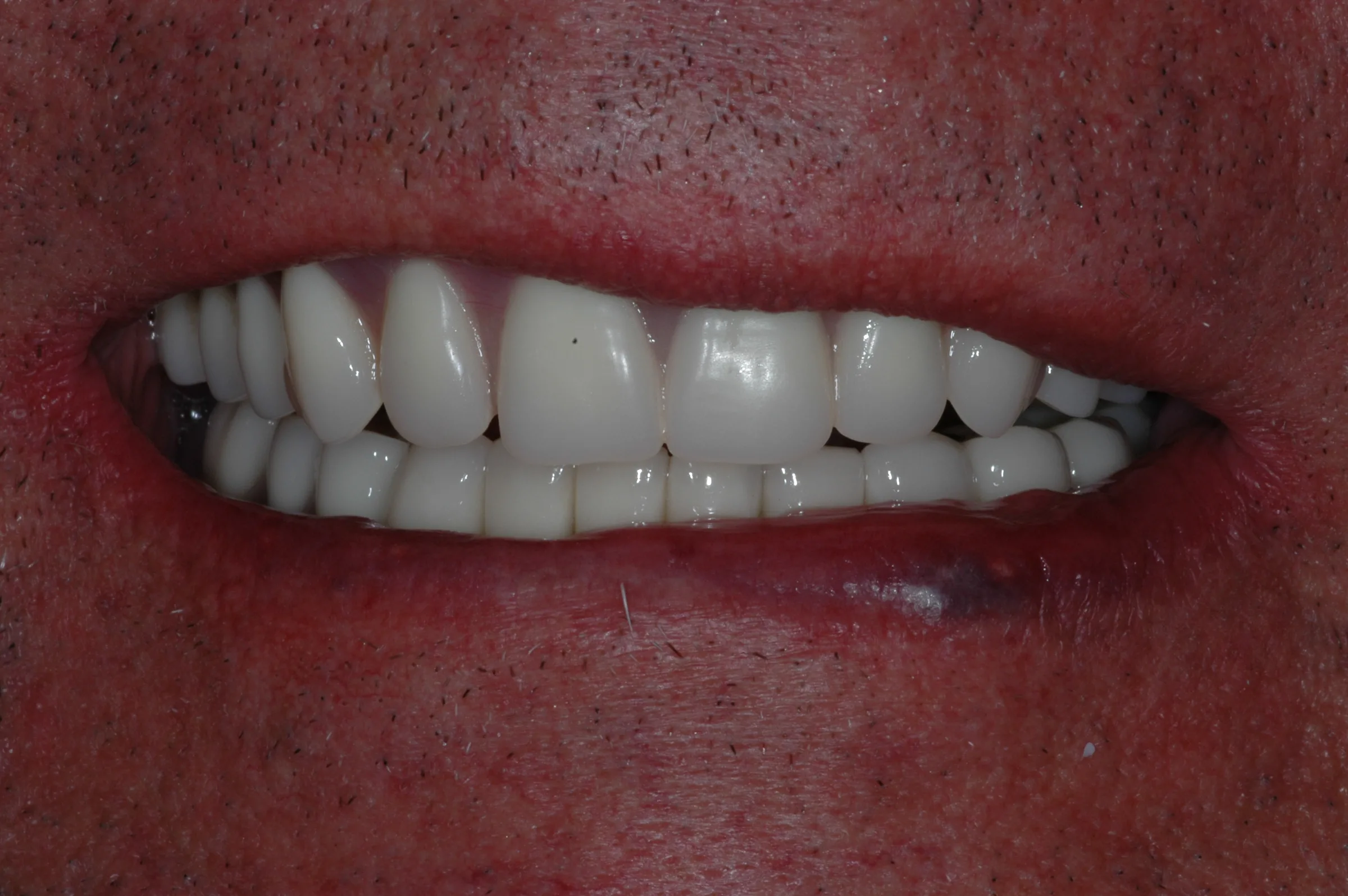
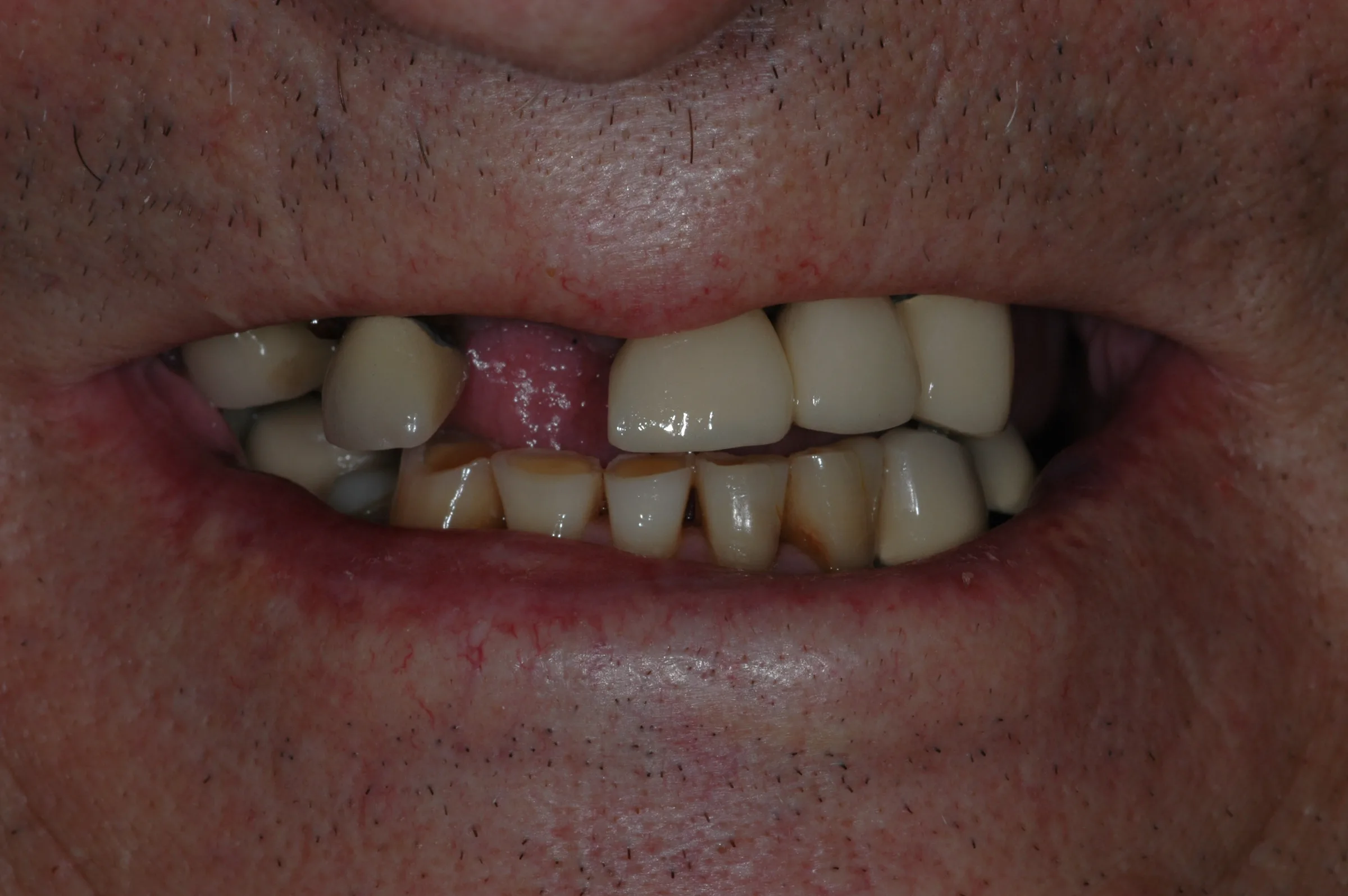
Before — Full Mouth Reconstruction
Before
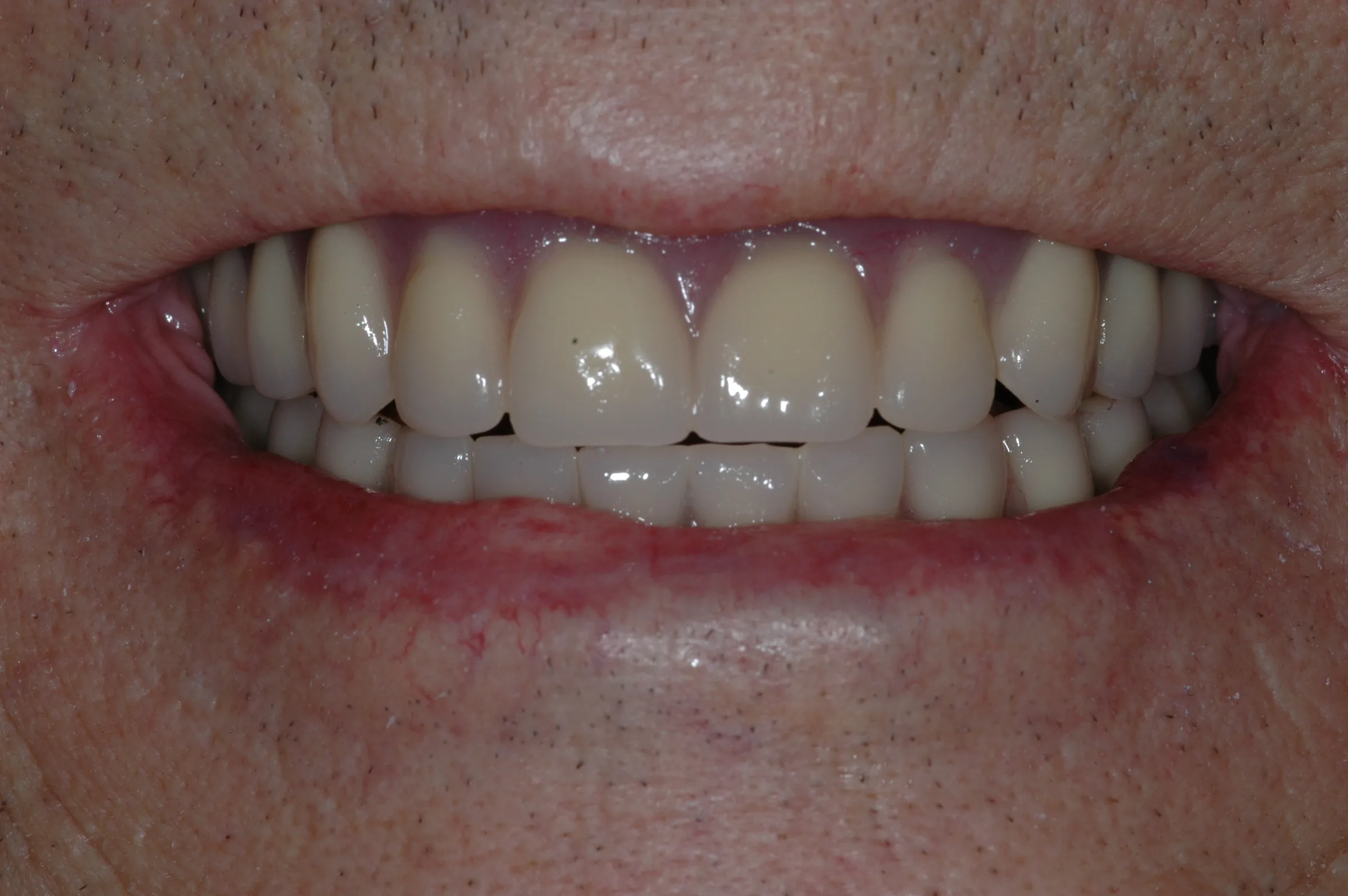
After — Full Mouth Reconstruction
After

Mixed Fixed + Removable Plan

Upper teeth with poor prognosis and worn lower teeth. Plan: upper removable denture + lower full-arch reconstruction with crowns and removable partial denture. Different solutions for each arch — sequenced together.

Before — Full Mouth Reconstruction
Before
After — Full Mouth Reconstruction
After

Combination Restorative Plan

Missing and damaged teeth requiring multiple solutions. Treated with full-mouth reconstruction using crowns and removable partial dentures in a coordinated plan.

View all 49 cases in the smile gallery →

The Pre-Prosthetic Phase

What Complex Restorative Planning Involves

Pre-prosthetic planning is the diagnostic and coordination phase that takes place before restorative treatment begins. In complex cases, it often includes multiple overlapping components working together toward a stable long-term result.

Comprehensive Diagnostic Workup

CBCT imaging, digital intraoral scanning, T-Scan bite analysis, facebow transfer with articulator mounting, periodontal evaluation, and diagnostic wax-up are used to build a complete understanding of the case before treatment begins. The objective is to determine what can be preserved, what requires intervention, and how the final restoration should function.

Treatment Sequencing

Complex rehabilitation depends on sequence. Some teeth may require extraction before implants are placed, bone grafting may need healing time before restoration, and multiple phases often need coordination across specialties. Proper sequencing protects the stability and predictability of the final result.

Specialist Coordination

Complex restorative cases frequently involve coordination between prosthodontics, oral surgery, periodontics, orthodontics, endodontics, and hygiene care. Dr. Andrus directs the restorative plan while coordinating with trusted specialists when additional treatment phases are required.

Pre-Prosthetic Surgery

Some restorative cases require surgical preparation before final restoration, including extractions, alveoloplasty, tori reduction, frenectomy procedures, soft-tissue management, or bone grafting. Prosthodontically-related surgical procedures are performed in-house, while larger surgical phases are coordinated with oral surgery specialists when appropriate.

Diagnostic Toolkit

The Tools Behind the Planning Phase

  • Cone beam CT (CBCT) 3D X-ray. Shows your jaw bone architecture, joint position, and root anatomy in 3D detail — essential for any case that may involve implants, surgery, or evaluation of failing teeth.
  • Medit intraoral scanner. Captures your existing teeth and tissue as a digital model used for the wax-up and the prototype.
  • T-Scan digital bite analysis. Maps where your bite is loading too hard or too lightly — a key input for designing the proposed final occlusion.
  • Facebow + articulator. A physical simulator of how your jaw moves so the new bite is designed in three dimensions, not just on a flat model.
  • Diagnostic wax-up. A physical model of the proposed final restorations — the bridge between the diagnostic phase and the treatment phase.
  • Einstein 3D printer + Flexera resin + Autoflash Curing. Used to fabricate the prototype that you wear during the testing phase before any final work is committed.

Specialist Coordination

When Other Specialists Need to Be Part of the Plan

Complex cases often need work outside prosthodontics. The planning phase identifies what coordinated work is required and parcels it to local specialists Dr. Andrus has worked with for years:

  • Oral surgery — for extractions of compromised teeth, large surgical extractions, complex bone work, or implant placement when warranted.
  • Periodontics — for periodontal treatment, soft-tissue grafting, and crown lengthening.
  • Orthodontics — when teeth need to be moved into a better position before final restorations are placed.
  • Endodontics — for root canal therapy on teeth being saved as part of the plan.
  • General dentistry / hygiene — routine cleanings and recall continue with your existing general dentist or periodontist if you have one.

The prosthodontic plan and the through-line stay with this practice. The work gets done in the right hands without losing the design.

What Sets Dr. Andrus Apart on Complex-Case Planning

Three Reasons Patients Trust Their Plan to Dr. Andrus

Whole-Case Thinking, Not Tooth-by-Tooth

Three years of full-time specialty residency are spent learning to see the whole mouth as one case. Where a general dentist plans the next tooth, a prosthodontist plans the final result and works backward — that's literally what pre-prosthetic planning is. For complex cases, the planning is the procedure that determines whether the final result holds together.

Test the Plan With a Real Prototype

“We always start with a diagnostic wax-up and provisional prototype to test our concept. Nothing definitive goes in the mouth until the patient has lived with and approved the design.” The plan isn't theoretical — you wear a removable version of the proposed final result before any of it becomes permanent.

Specialty Network for Coordinated Care

The practice maintains long-standing relationships with local oral surgeons, periodontists, orthodontists, and endodontists. Cases that need work outside the prosthodontic scope get parceled to specialists Dr. Andrus has worked with for years — without losing the through-line of the prosthodontic plan.

After the Planning Phase

Where the Plan Leads

Pre-prosthetic planning isn't an end in itself — it's the foundation for the actual restorative work that follows. Depending on what your case needs, the plan typically leads to one or more of:

The planning is what makes the right choice clear, sequences it correctly, and tests it as a prototype before any of it becomes permanent.

Dr. Andrus Answers

Your Questions About Pre-Prosthetic Planning

What is pre-prosthetic planning, and why does my case need it?

It's the comprehensive workup, design, and treatment sequencing that happens BEFORE major restorative work begins. Cases need it when there's more than one thing wrong at once — multiple teeth needing different solutions, mixed fixed and removable restorations in the same plan, implants combined with natural teeth, or a failing reconstruction that has to be redesigned from scratch. The point of pre-prosthetic planning is to get the entire roadmap on paper (and on a wax-up, and on a prototype) before any irreversible step happens.

Why see a prosthodontist for the planning phase?

Prosthodontics is the only dental specialty whose three-year residency is dedicated to restoring and replacing teeth. The training is specifically about evaluating complex cases and designing multi-phase treatment plans. Where a general dentist plans the next tooth, a prosthodontist plans the final result and works backward — sequencing extractions, surgery, implants, restorations, and any specialist coordination needed in between. For straightforward single-tooth work, this level of planning is overkill. For full-mouth, multi-arch, or coordinated-specialist cases, it's the difference between a result that holds together and one that doesn't.

What does the workup involve?

A first appointment includes medical and dental history, full-arch imaging (often a cone beam CT for bone evaluation), digital intraoral scanning, T-Scan bite analysis, periodontal charting, and a long conversation about what you want the final result to be. From that, we mount the case on an articulator and produce a diagnostic wax-up — a physical model of the proposed final restorations — which then becomes the basis for sequencing the case. Most workups span two to four visits before any restorative work starts.

How does specialist coordination work?

When parts of a case need work outside prosthodontics — root canals, gum surgery, orthodontic alignment, oral surgery — we refer to local specialists we've worked with for years. We provide them with the diagnostic records and the proposed final design so their portion of the work fits the overall plan. You may end up with appointments in two or three offices, but the prosthodontic plan and the through-line stay here. Hygiene and routine care can be coordinated with your existing general dentist or periodontist if you have one.

Will I see a written treatment plan with costs before agreeing to anything?

Yes — that's the deliverable of the planning phase. You receive a written plan with the recommended sequence, the time frame, and the cost for each phase. You see the full number for the prosthodontic side and a separate estimate for any specialist work. From there you can decide to proceed, stage parts of the plan over time, or step back. Financing through Mountain America Credit Union, CareCredit®, and Proceed Finance is available.

What if I've already had a treatment plan from another office that didn't feel right?

That's a common reason patients come in for pre-prosthetic consultation. A second look from a board-certified prosthodontist is appropriate when the previous plan felt incomplete, when multiple specialists were involved without coordination, when the proposed sequence didn't make sense, or when the result you were promised didn't match what you wanted. Bring the prior records (x-rays, treatment plan, photos) and we'll work through it together.

How long does the planning phase take?

Most planning phases run two to four visits over two to six weeks before the first restorative or surgical appointment. Cases requiring imaging from multiple specialists, complex implant planning, or orthodontic alignment as a precursor can run longer — six to twelve weeks isn't unusual for the most complex full-mouth cases. The visible work doesn't start until you've reviewed and approved the proposed plan and the prototype.

We offer both surgical and effective non-surgical options — not a one-size-fits-all approach.

Multiple Things Wrong, or a Plan That Didn't Feel Right?

Schedule a Pre-Prosthetic Consultation

Bring your prior records (x-rays, treatment plans, photos) and we'll work through the case together — from comprehensive workup to a sequenced plan you can actually follow.

Doctor reviewPENDING